
EMAIL ADDRESS:
contact@sfopa.org
contact@sfopa.org
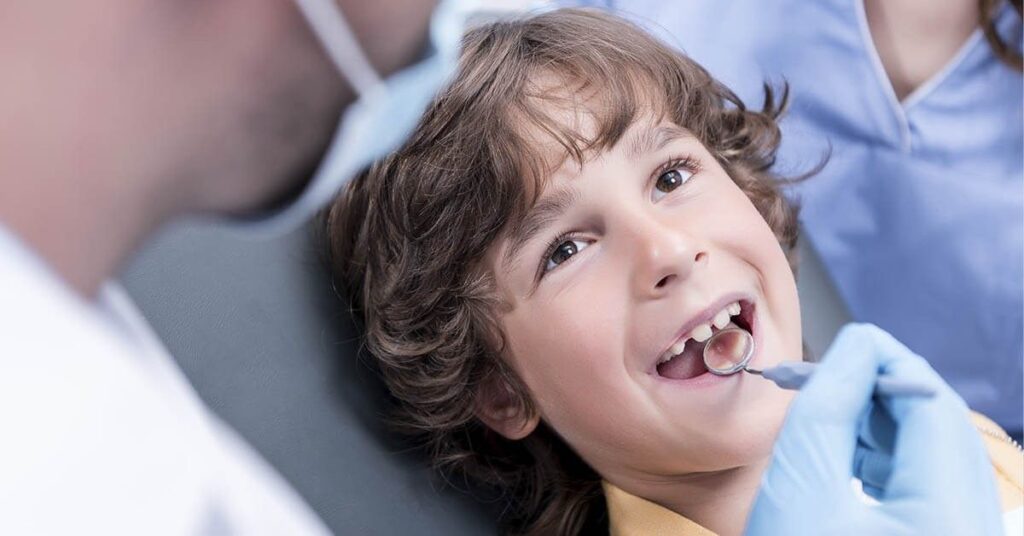
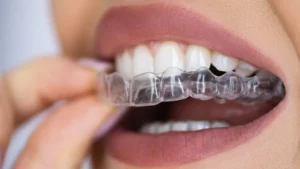
More and more parents are hearing about “early orthodontics” or “orthodontic interception.” The goal is not to fit complex braces at a very early age, but to guide jaw growth and tooth eruption to prevent more serious issues during adolescence. In certain carefully selected cases, clear aligners can also be incorporated into these early treatments.
Interceptive orthodontics encompasses all treatments carried out during childhood, typically between the ages of 6 and 10, to correct or limit developing dental issues such as jaw misalignment, lack of space, harmful habits, mouth breathing, etc.
The key is to interveneat the right time, when jaw growth and the eruption of permanent teeth can still be guided. An initial orthodontic consultation around the age of 6 or 7 often allows for the detection of emerging problems, even if treatment isn’t always necessary right away.
There are certain signs that can alert parents:
In such situations, a specialized orthodontic evaluation helps determine whether the condition should simply be monitored or whether interceptive treatment is recommended.
Early treatment doesn’t necessarily mean “using more appliances,” but rathertaking advantage of natural growth. By guiding the development of the jaws, we can:
For example, an upper jaw that is too narrow can sometimes be widened using an expansion appliance if it is fitted at the right time, whereas correcting it later might require surgery. Similarly, a significant anteroposterior discrepancy can be reduced using skeletal growth appliances if treated early enough.
Interceptive orthodontics also addresses functional aspects: re-education of nasal breathing, chewing, and swallowing functions, as well as addressing sucking habits. This functional aspect is essential for ensuring long-term stability of the results.
Clear aligners are often associated with teenagers and adults, but they can also be used in certain pediatric treatments, provided specific guidelines are followed.
Clear aligners might be worth considering:
They offer several benefits for children:
But they also havesignificant limitations:
That is why the decision to use aligners for children should be made by an orthodontist trained in these techniques, following a comprehensive assessment of the child’s growth, oral function, and the family’s expectations.
Studies and clinical feedback show that, when appropriately indicated, interceptive treatments can reduce the severity of certain malocclusions and decrease the need for extractions or highly complex multi-bracket treatments during adolescence.
Some points that are often highlighted:
Regarding aligners, the literature highlights their growing popularity among children and preteens for carefully selected cases, but emphasizes the need for an accurate diagnosis, specialized care, and close monitoring of compliance.
Interceptive treatment, whether with or without aligners, can only be successful if the child and their family understand the goals and actively participate. Unlike fixed braces, aligners rely heavily on the patient’s discipline in wearing them.
The orthodontist’s role is therefore also educational:
Regular appointments—sometimes more frequent than those with adults—help maintain contact, acknowledge the patient’s efforts, and adjust treatment as needed.
Pediatric orthodontics often lies at the intersection of several disciplines: pediatric dentistry, ENT (breathing, adenoids, tonsils), speech therapy (swallowing and speech), and sometimes physical therapy or posturology. Working within a network allows us to address functional causes (mouth breathing, tongue dysfunction, harmful habits) alongside orthodontic correction.
Members of the French Society of Aligner Orthodontics (SFOPA) are particularly interested in the role of aligners in pediatric treatment and their judicious integration into the interceptive treatment arsenal. The SFOPA organizes training sessions, conferences, and clinical case discussions on these topics to clarify the indications, protocols, and limitations of these techniques in children.
For families, consulting a trained professional who is actively engaged in this scientific research offers the assurance that:
The goal of interceptive orthodontics is not to “finish everything” before age 10, but to set the child on a more favorable path: better-balanced jaws, guided eruption, and harmonized oral functions.
In this context, aligners are neither a miracle cure nor a cosmetic gimmick: they are supplementary tools, intended for specific indications and to be used by trained practitioners. When used properly, they can offer an attractive balance of effectiveness, comfort, and patient compliance in motivated children.
For parents, the key message is simple: anearly consultationallows for the detection of problems, provides reassurance when everything is fine, or enables the implementation of appropriate interceptive treatment when necessary. Consulting an orthodontist who is a member of the SFOPA means choosing a professional committed to scientific research on aligners and their role in pediatric orthodontics, dedicated to safeguarding the child’s future oral health.